OUR SERVICES
What we do
On-call support for whatever is on your crop.
Call us when something doesn’t look right. We’ll help you figure out what it is and what, if anything, to do about it.

Insect identification
On-site or photo-based identification of pests and beneficial insects, so treatment decisions are based on what’s actually there. We check under leaves and along stems, not just the obvious damage, since the insect that caused it has often already moved on or moulted into a different life stage. A clear photo is often enough for a same-day answer; a farm visit follows when it isn’t.

Insect monitoring
Ongoing tracking of pest and beneficial insect populations through the season, catching problems before they spread. That means regular counts on a sample of plants, not just a walk-through, so a genuine increase shows up early rather than only becoming obvious once the damage is done. The same monitoring tracks beneficial insects too – a drop in ladybirds or parasitic wasps is often the first sign a spray has done more harm than good.

Insect management
Practical, proportionate management plans – not a default reach for broad-spectrum chemicals. Every plan is built around the actual pest, the crop’s growth stage, and what’s already present to help, so two farms with the same pest can end up with two different recommendations.
Biological control
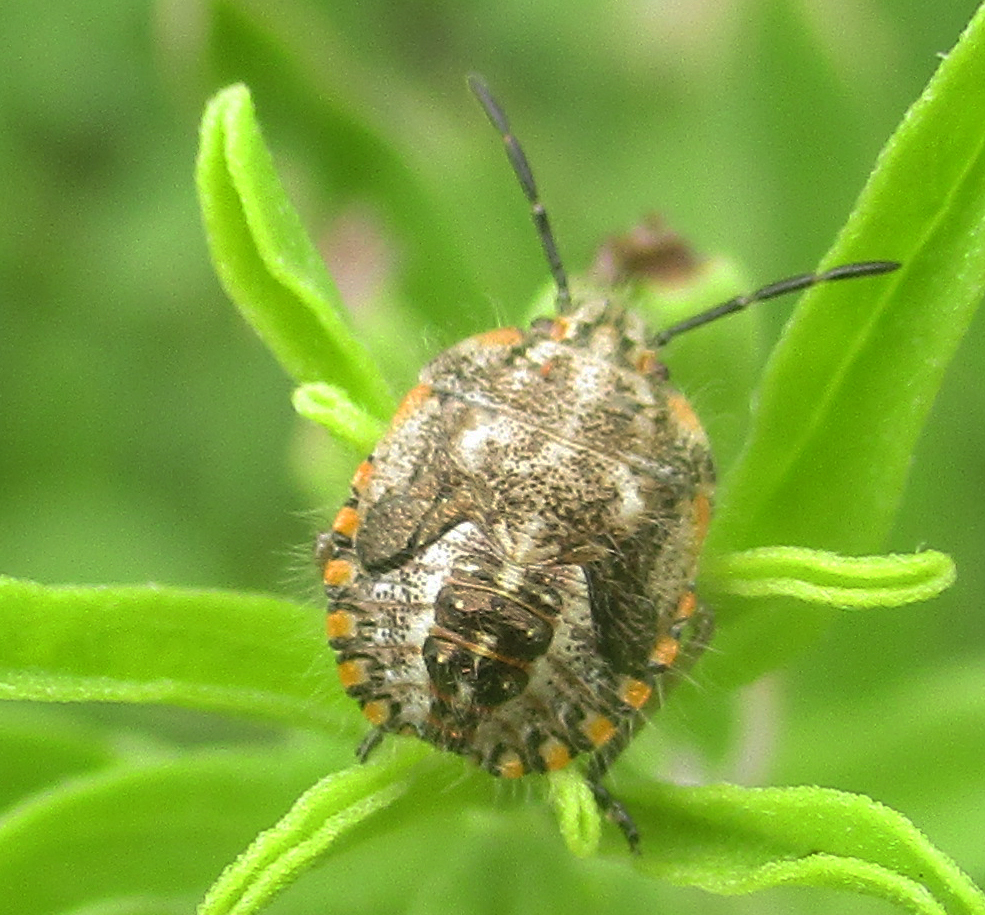
Using natural predators and other biological methods to keep pest populations in check. That starts with identifying and protecting predators and parasitoids already on-site, and where needed, introducing or encouraging specific biological agents suited to the pest and the crop.

Combining identification, monitoring, biological control, and targeted intervention into one ongoing plan for your farm.
Beekeeping support
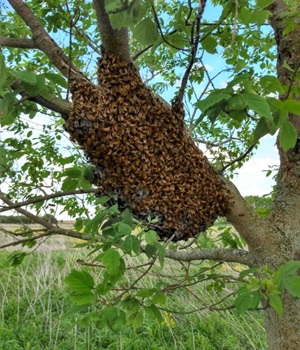
Guidance for beekeepers on colony health and managing the interaction between hives and surrounding crops. That includes setting hives to reduce pesticide exposure, timing farm spraying around bee activity, and helping diagnose colony problems when something’s gone wrong.

Bio-insecticides & bio-stimulants
Lower-impact alternatives to conventional chemical inputs, matched to the pest and the crop. That covers biological products that target a specific pest without the collateral damage of broad-spectrum chemicals and soil and plant health inputs — like vermicompost – that build a crop’s own resilience rather than just treating symptoms.

Workshops and training
Hands-on training for farmers and farm staff in pest identification and monitoring, run on-site or through partner organisations. Sessions work from whatever’s actually growing on the farm that day rather than a generic slide deck, so what’s taught is immediately usable on the same fields.
Schedule a consultation
We’d love to hear from you. We’re here to answer your questions and listen to your suggestions.


Sending invertebrate samples
- Adequate collection of data is essential for successful identification. To assist us, please print the below ‘Insect Factory Invertebrate Field Record Sheet,’ fill out all the details, and include this when posting your sample.
- Samples should be sent via overnight express post or other means on Monday (most preferably) or Wednesday (latest if possible). Do not send samples toward the end of the week or over the weekend; otherwise, invertebrates will die in transit.
- Once samples have been posted, please notify us via email at graham@insectfactorybw.com. This will ensure samples are processed on time.
Samples should be addressed to:
Prof. Graham Hall
Insect Factory Pty Ltd
PO Box 466, Moshupa, Botswana